FAQs
What is POD?
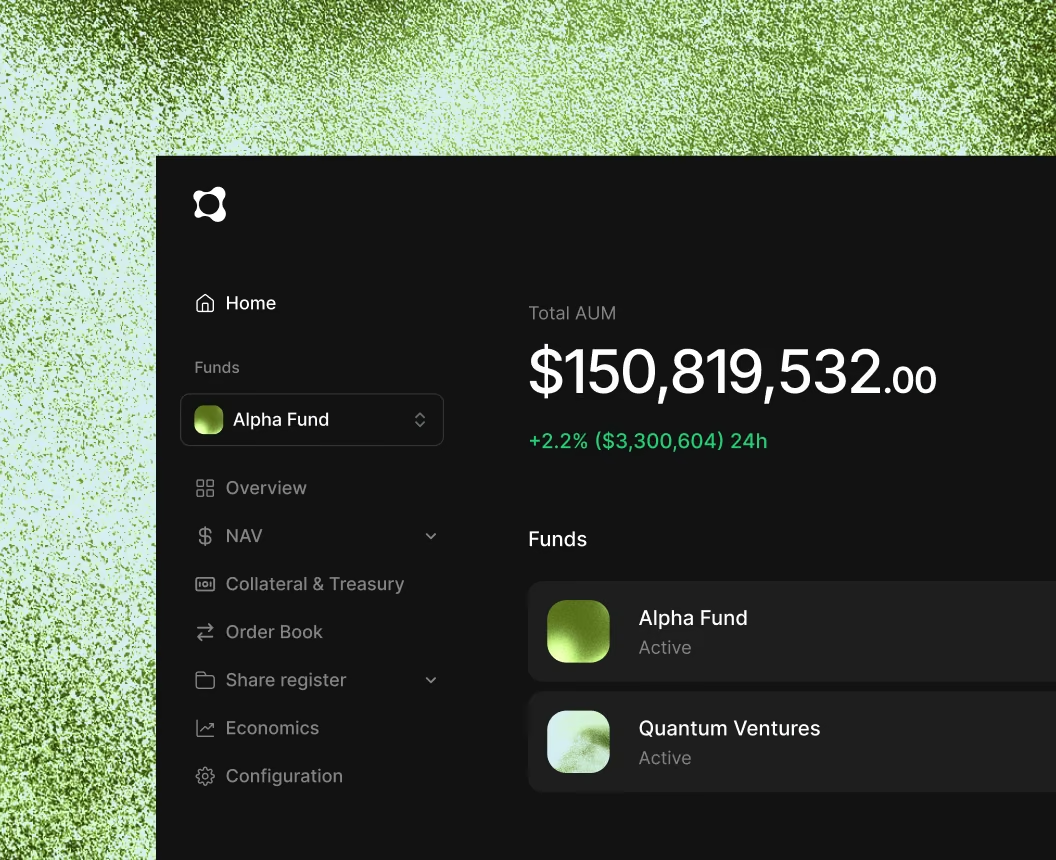
POD is a full-service platform for emerging managers: regulated fund structures, tokenised administration, custody, banking and capital introduction in one operating platform. POD holds the licences and runs the fund infrastructure in-house, so a trading team gets a real fund vehicle without building one from scratch or assembling a chain of service providers themselves. For investors, POD Discover is the platform's cap-intro venue, where verified professional investors source and subscribe to POD funds.
Is POD regulated?
Yes, the POD group of companies includes a BVI licensed fund manager entity, a fund admin entity licensed by the Central Bank of Ireland, and licensed SPCs domiciled in BVI and Cayman. Full detail, including which entity does what, is on the Trust & Compliance page.
Who is POD built for?
Small trading teams with a proven strategy and no fund vehicle yet. Typically one to ten people,running external capital through separately managed accounts or on-chain vaults, and now being asked for something more institutional. POD is particularly valuable for launches at a size where a standalone fund does not stack up economically. Managers already running a small fund that costs too much to operate are also a fit.
Does POD give investment advice or recommend funds?
No. POD provides fund infrastructure and an information surface. Nothing on this site or on POD Discover is an offer to sell, a solicitation of an offer to buy, or a recommendation to invest in any fund. Investors make their own decisions based on the offering documents and their own due diligence. Investment involves risk, including the possible loss of capital, and past performance is not a reliable indicator of future results.
For managers
How long does it take to launch?
Far less time than a standalone fund, because the master structure, the licences and the service-provider relationships already exist. Launching under POD means onboarding into an operating platform rather than building one. Assuming documents are in order, the typical timeframe from signed term sheet to first subscriptions and trades is up to three weeks for a Startup Manager launching as a sub-fund in a POD SPC, and up to four weeks for an Emerging Manager launching with their own SPC.
What does it cost?
A standalone launch typically runs to six figures in setup fees before a single dollar is managed, plus annual minimums from the administrator and custodian that apply regardless of size. POD works differently: a legal pass-through cost at setup (US$5,000 for a Startup Manager sub-fund, US$25,000 for an Emerging Manager SPC), then fees that are variable and scale with the fund. Vendor costs such as the annual audit are passed through at cost. There are no monthly or annual minimums, which is what makes a sub-scale launch viable at all. Exact fee levels depend on structure and are covered on a call.
What is the minimum fund size?
US$1 million of launch AUM for the Startup Manager tier, which launches as a segregated portfolio inside a POD SPC. US$25 million for the Emerging Manager tier, which launches with its own SPC. Both tiers have the same operating stack; the difference is the structure and the pass-through setup cost.
What is the difference between the Startup Manager and Emerging Manager tiers?
Startup Manager: from US$1 million launch AUM, your fund is a segregated portfolio inside an existing POD SPC, launch in up to three weeks, US$5,000 legal pass-through. Emerging Manager: from US$25 million, your own SPC with your own name on the fund company, launch in up to four weeks, US$25,000 legal pass-through. Everything else, including administration, custody, banking, daily NAV and access to POD Discover, is the same.
What does the structure look like, and what protects investors?
Each manager's fund is a segregated portfolio under a licensed fund company, ring-fenced by statute from every other fund on the platform. Assets sit with a qualified custodian. Administration, NAV calculation and audit are independent of the manager. The share register is tokenised and the administration workflow runs on a private, managed blockchain, which produces live data, atomic settlement on subscriptions and redemptions, and daily NAVs rather than a monthly cycle with a reconciliation lag.
What is the advantage of setting up a sub fund inside an SPC?
Scale. The SPC is already a live fund company, so a new portfolio launches into infrastructure that exists. Custody, exchange, brokerage and banking accounts are opened as part of onboarding, not months of applications run by the manager. Service-provider and venue fees are negotiated for the whole platform, so a small fund gets pricing it could never command alone. And the annual minimums a standalone fund pays its administrator, custodian and auditor are absorbed at SPC level, which is what removes the fixed-cost floor. Each portfolio is still legally ring-fenced by statute, with its own assets, investors, NAV and track record.
Should I set up in the BVI or the Cayman Islands?
POD runs licensed SPCs in both, so the choice is about your investors rather than your operations. The BVI is faster and cheaper to run, and a BVI Professional Fund carries a US$100,000 minimum investment per investor. Cayman carries more recognition with some institutional allocators and their counsel. We cover the trade-offs on the onboarding call.
Does the manager keep control of the strategy?
Yes. The manager runs the strategy, keeps the intellectual property, and keeps the brand and fund name. POD provides the structure and the operations around it. The manager has trading authority over the fund's assets and never withdrawal authority, which is the arrangement institutional investors expect and one of the reasons the structure passes diligence.
Which venues and asset classes can a POD fund trade?
Crypto exchanges: Binance, OKX, Deribit and Bybit. Decentralised venues: Hyperliquid and Uniswap. Securities: Interactive Brokers. Fund-owned sub-accounts are opened at each venue as part of onboarding, with the manager holding trading authority only. Staking and real-world assets are coming soon. One fund can hold traditional and digital assets together under a single NAV and a single track record.
Who holds the fund's assets?
A qualified custodian, in accounts held in the fund's name, never the manager's. Exchange and brokerage sub-accounts are also fund-owned. Movement of assets out of the fund requires the platform's controls, not the manager's instruction alone. This separation of trading authority from withdrawal authority is the core investor protection and is documented in the DD pack for every fund.
How do investors come into my fund?
Investors are onboarded once at platform level: paperless KYC, usually completed the same day, with a T+1 onboarding SLA. They then subscribe in-app in USD fiat or stablecoin, and settlement is atomic against tokenised units at the dealing-day NAV. Dealing can be as frequent as daily. You can bring your own investors from day one; after six months of administered track record your fund also becomes visible to allocators on POD Discover.
Does a fund replace an existing managed account business?
No. The fund vehicle sits alongside a manager's managed account business and opens the door to institutional allocators who can only allocate to funds. It also produces something a managed account rarely does: an independently administered, audited track record, which is what allocators actually underwrite. Allocators use POD Discover, POD's cap-intro platform, to source, diligence and invest in POD funds.
Can I run a crypto strategy and a traditional strategy in the same fund?
Yes. Because the fund has accounts at crypto venues and at a securities broker, a single segregated portfolio can hold both, with one NAV struck daily across everything and one track record. If you want the strategies kept separate for investors, each can be its own segregated portfolio with its own NAV.
For allocators
Who can invest in a POD fund?
Verified professional investors. POD funds are professional-investor funds domiciled in the BVI or the Cayman Islands, so they are open to investors who meet the relevant professional investor tests and clear POD's KYC. A BVI Professional Fund carries a minimum investment of US$100,000 per investor.
What is POD Discover?
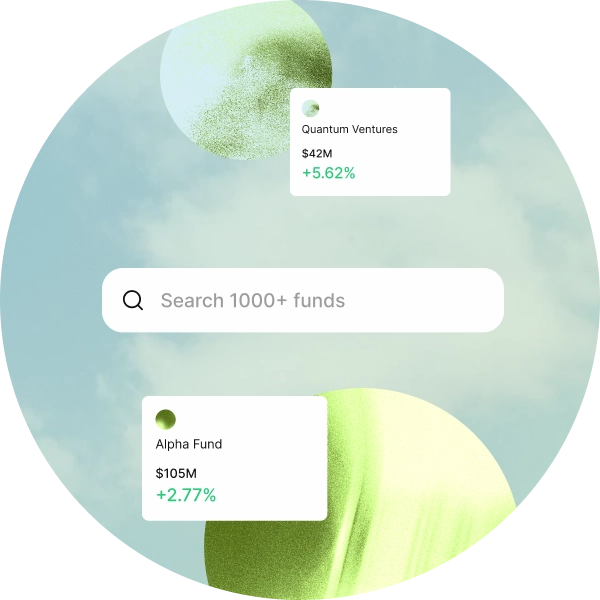
POD Discover is the platform's cap-intro venue, where verified professional investors source, diligence and subscribe to funds running on POD. Every fund listed is independently administered, with its assets held by a qualified custodian, and comes with a standard due diligence pack. Nothing on POD Discover is an offer, solicitation or recommendation to invest.
How do I get access to POD Discover?
Onboard once, at platform level. KYC is paperless and usually completed the same day, with a T+1 onboarding SLA. After that you can subscribe to any fund on POD Discover without repeating the process for each one. Verification documents are held off-chain by the administrator; the ledger records only your eligibility status.
How do I subscribe and redeem?
In-app, in USD fiat or stablecoin. Subscriptions and redemptions settle atomically against tokenised fund units at the dealing-day NAV, and dealing can be as frequent as daily depending on the fund. Redemptions are subject to each fund's notice period and liquidity terms, but there is no month-end batch or reconciliation lag between the administrator and the register.
Where are the fund's assets held, and who can move them?
With a qualified custodian, in accounts held in the fund's name, never the manager's. Exchange and brokerage sub-accounts are also fund-owned. The manager holds trading authority only; moving assets out of the fund requires the platform's controls, not the manager's instruction alone. This separation is documented in the due diligence pack for every fund.
Is my investment ring-fenced from other funds on the platform?
Yes. Each fund is a segregated portfolio under a licensed segregated portfolio company, ring-fenced by statute from every other fund on POD, with its own assets, investors, NAV and track record. Administration, NAV calculation and audit are independent of the manager.
Do I hold a crypto token?
No. The fund's share register is maintained as tokens on a private, managed blockchain because that is what allows daily NAVs, live data and atomic settlement. Units are not listed on any exchange, investor-to-investor transfers are disabled, and holdings are custodial. You hold units in a regulated fund; the chain is the administration mechanism behind them.
What track record will I see before investing?
An independently administered one. Funds become visible on POD Discover after six months of administered track record, so every NAV history you see has been struck by an independent administrator rather than self-reported by the manager. Past performance is not a reliable indicator of future results.
Launch your fund in weeks, not months
Get in touch for a demo
Newsletter
Occasional updates on fund infrastructure and new POD releases.
Thank you! Your submission has been received!
Oops! Something went wrong while submitting the form.
We never share your details.
POD is regulated as a fund administrator by the Central Bank of Ireland and as a fund manager in the BVI. Nothing on this site constitutes an offer to sell, or a solicitation of an offer to buy, any security or interest in any fund. Investment involves risk, including the possible loss of capital. Past performance is not a reliable indicator of future results.